 New Jersey Lawyers Blog
The Small Business Reorganization Act and Subchapter 5 Bankruptcies


Hi, I’m Rob Chewning. I work with the firm of McLaughlin & Nardi, LLC. At the firm we practice several different types of law, including bankruptcy law. I am here today to talk to you about The Small Business Reorganization Act and Subchapter 5 bankruptcies.
As a result of COVID-19, millions of small businesses have been forced to shut down and cease business operations indefinitely with no end in sight. Some of these small businesses have tried to hold on in the hope of getting federal stimulus money that can carry them through this tough time. However, there are several million other businesses which will not be eligible or will not be able to get their hands on this federal stimulus money which is causing them to consider the options that they have.
 struggling with economic hardships as a result of widespread closures and stay-at-home orders. One major part of these governmental actions includes the passage of the Coronavirus Aid, Relief, and Economic Security Act (also known as the “CARES Act”) on April 2, 2020.
 Naturally, this has led to a spike in bankruptcy filings. However, many small businesses have held out hope for federal stimulus aid before deciding on whether bankruptcy is the right option for them.
 Since the COV-19 outbreak began, more than 22 million Americans have filed for unemployment. The increase in unemployment filings have been the result of businesses of all sizes being forced to shut down entirely or significantly limit their operations. As a result, many people, both employers and employees, are seeing less income or no income at all while still being expected to pay their monthly payments such as rent, mortgage, car loan, credit card bills, and insurance. These financial obligations are especially devastating for people and businesses that were already having trouble making those monthly payments prior to the COV-19 outbreak.
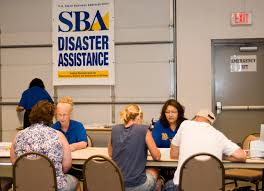 businesses seek financing under the new Federal Small Business Paycheck Protection Program. The basic elements of the program are below. Call us to obtain help. Applications are being accepted starting April 3rd, and funding is limited, so time is of the essence.
 economic hardships as a result of lost business during widespread closures and stay-at-home orders. The first major legislation passed by the federal government was the Families First Coronavirus Response Act which provided job protection and paid leave provisions. Now, the government has recently passed the Coronavirus Aid, Relief, and Economic Security Act (also known as the “CARES Act”).