 New Jersey Lawyers Blog
Background on the Development and Reasons Behind New Jersey’s Civil Service System


There are many people who complain that Civil Service is a terrible hindrance to efficient government. Managers complain that Civil 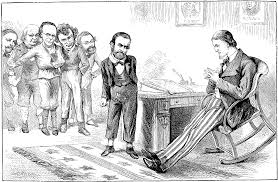 Service rules hinder their ability to run their organizations by hiring, firing and imposing discipline as they believe is best. Citizens often complain Civil Service makes it too hard to get rid of “bad apples.” Employees complain that Civil Service makes promotions and transfers too difficult. Applicants complain that the Civil Service system makes it too hard to get hired. All these criticisms are valid, as far as the go. However, they miss the mark because they focus on the trees but miss the forest. New Jersey’s Civil Service System was adopted to combat some real and grave problems with state and local government. Without Civil Service these problems would continue today unchecked. Civil Service isn’t perfect, but New Jersey is a far better place because of it.
New Jersey has a long history of government corruption; it is by no means a new phenomenon. This included a “spoils system” rewarding the winners of elections with the ability to award jobs to their supporters, outright bribery, political favoritism, nepotism and outright discrimination in hiring and keeping government jobs. It was a disgrace.
In 1908 the early twentieth century Progressive Movement led New Jersey to adopt its first Civil Service laws, and to establish the Civil Service Commission to regulate Civil Service practices. Then, in 1947, a constitutional convention was held at Rutgers University, in which a new state Constitution was adopted. The goal of the constitutional convention was to reform many areas of New Jersey’s state and local governments. One area it specifically addressed was Civil Service. Article VII, section 1 of the New Jersey Constitution of 1947 provided that:



 Our employment lawyers represent many honorable New Jersey employees in disputes with their governmental employers.
 The financial burden of a civil service appeal discourages many employees from filing. However, a successful employee may be able to recover the attorneys fees she spent on the appeal. Our attorneys handle civil service appeals for all of New Jersey’s Public Employees, such as police officers, teachers, firefighters, and administrative persons. Because we are concerned about the impact on our clients’ pocketbooks, we are always looking to see if we can shift the financial burden to the public employer.
 One of the prime methods of hiring, firing, promotion and discipline of public employees is New Jersey’s civil service. Attorneys from our firm represent employees in appeals from actions by their civil service employers. One of the most significant issues in the civil service hiring process our employment attorneys have encountered is when government employers exercise the “Rule of Three.”