In an important decision interpreting New Jersey employment law, the Supreme Court ruled in the case of Melnyk versus the Delsea Regional High School District that analyzing whether a position is eligible for tenure protection depends on the statutory requirements, not  on how the employer chooses to label it.
Paula Melnyk was a long-time, tenured, full-time, certified, special education and English teacher during the day for the Board of Education of the Delsea Regional High School District, since 1991. From 2002 through 2015, except for a break in the 2009-2010 school year, she also taught at in the Board’s BookBinders Program. This was an evening program for students who had been removed from the traditional daytime classroom for behavioral issues, or who otherwise could not participate in the regular school program. State law required the Board of Education to provide this service, whether through its own staff and facilities, or by agreement through another district. The Board chose to provide the services itself.
The Board characterized Melnyk’s work in this program as “extra-curricular,” and therefore not eligible for tenure. Had it been a position eligible for tenure, Melnyk would have earned it, since even with the break in 2009-2010, she had more than the three years and a day then required to earn tenure (that time frame was increased in 2012 by the TEACHNJ Act, but it was not applicable when Melnyk would have earned tenure).
 New Jersey Lawyers Blog


 classifications are.
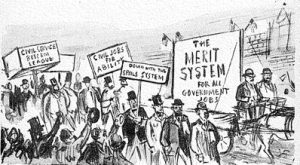 defined as a suspension or fine of more than five days. Major discipline includes removal, disciplinary demotion, and suspension or fine for more than five working days. The
  ivision gave a cogent
 Service rules hinder their ability to run their organizations by hiring, firing and imposing
 he choice will depend on the relief sought. If the employee does not want to continue working for the employer or does not care about correcting the discipline, but rather only cares about collecting money damages, then she would sue in court (New Jersey state courts and New Jersey law provide greater procedural and substantive advantages for employees, so they usually file in the Superior Court rather than federal court). If the employee is more concerned about getting her job back or correcting the discipline, often the administrative route (which can also provide back pay) is the best choice. When there are no issues of constitutional rights, or discrimination or retaliation, then the administrative route is the only option.